
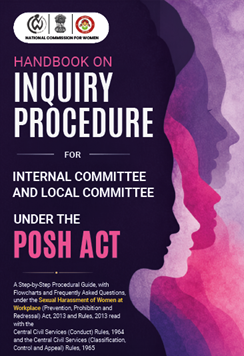

A recent Supreme Court judgment under the POSH Act arose from a case involving senior IAS and IRS officers, where the core issue was not the allegation—but who had the authority to inquire into it.
The Court was clear: Procedure cannot be used to block justice.
An ICC at the complainant’s workplace can conduct a preliminary inquiry and forward its findings, even when the respondent belongs to another department or authority. Legally, this matters. But morally, the case forces a far tougher question.
If allegations of sexual harassment can surface at the very top of India’s administrative system, among those who shape policy, enforce law, and wield power — what hope does a junior employee really have?
If those in authority can: Question jurisdiction
Lean on technical loopholes
Turn process into a shield
Then what happens when the complainant has no power, no influence, and everything to lose? Let’s be honest:
Most victims don’t stay silent because policies don’t exist. They stay silent because power still feels protected. This judgment is not just about ICC jurisdiction. It is about whether accountability applies equally—or selectively. And if the system struggles to hold the powerful answerable, what message does that send to every workplace below?
 For HR Leaders:
Ask yourself honestly—if a complaint came against your most senior leader tomorrow, would your system protect the truth or protect the title?


Leave A Comment